
AMH and Endometriosis Surgery

AMH (anti-mullerian hormone) is produced by the granulosa cells of the ovary, regulates folliculogenesis and its levels are believed to accurately reflect the ovarian reserve. Various studies have suggested that patients with endometriosis have lower AMH levels compared to those without (controls). Furthermore, surgery for endometriosis may (at least temporarily) impact on AMH levels. So, […]
Superficial Endometriosis and Infertility: the Role of Laparoscopy

Superficial endometriosis is linked to infertility. Laparoscopic management of superficial endometriosis improves fecundity rates, particularly natural conception rates, in appropriately selected patients. On the other hand, laparoscopy cannot be routinely recommended in all cases of unexplained infertility, particularly if there are no symptoms of co-existent pelvic pain, neither can it be routinely recommended routinely prior […]
Urinary Dysfunction and Deep Endometriosis
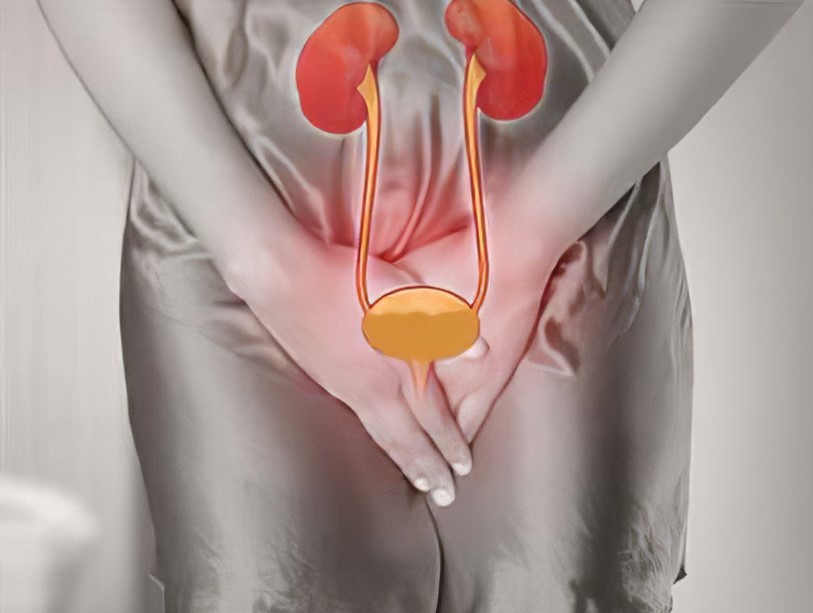
Voiding dysfunction after complex deep endometriosis surgery is probably one of the less recognised complications of this type of surgery. Certain locations of deep endometriosis (eg. Parametrium, uterosacral ligaments, sacral plexus), when excised, may be linked to higher risk of voiding dysfunction post-operatively. This may be due to inadvertent injury to the innervation of […]
Endometriosis: Symptoms and ART outcomes

Endometriosis is a common, benign gynecological disease that is usually associated with pain and/or infertility. It appears likely that chronic inflammation, that is typical of endometriosis lesions, plays a role in chronic pain as well as infertility. It is, therefore, logical to ask if there is a possible link between the severity of endometriosis symptoms […]
Recurrent Endometrioma: A Marker of Disease Severity?
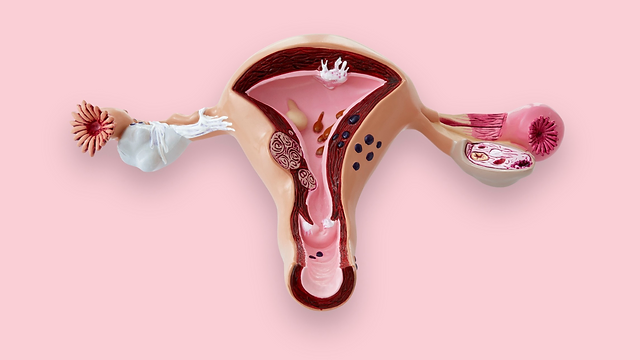
According to a new study, patients operated for recurrent endometrioma had more deep endometriosis lesions and more severe disease, compared to those with no previous endometrioma surgery.
Repeat Surgery for Endometriosis: How common is it?

The most comprehensive study on the risk of repeat surgery for endometriosis was only recently published, suggesting a risk of up to 28% during the first 10 years after complete excision of endometriosis. What is also interesting is that performing a hysterectomy at the time of first surgery, as well as achieving a post-operative pregnancy, were found to be independent, protective factors against repeat surgery. The mean time between primary and repeat surgery in this study was 46 months (1).
Vitamin D and Endometriosis

Vitamin D is a steroid hormone produced mostly as a result of exposure to UV light and regulates the levels of calcium and phosphate in the blood (1). Except its role in bone health, studies have demonstrated its role in human reproduction, with 15% of subfertile couples having low vitamin D levels (2), as […]
Natural Conception and Deep Endometriosis: Does Surgery Increase the Chances?

Η διηθητική ενδομητρίωση θεωρείται η πιο σοβαρή μορφή ενδομητρίωσης. Σχετίζεται, συνήθως, με χρόνιο πυελικό πόνο κι υπογονιμότητα. Όσον αφορά το δεύτερο, η σοβαρή αλλοίωση της φυσιολογικής ανατομίας της πυέλου λόγω συμφύσεων και η χρόνια φλεγμονή παίζουν κεντρικό ρόλο. Πέραν της εξωσωματικής γονιμοποίησης, η χειρουργική αφαίρεση της διηθητικής ενδομητρίωσης είναι ένα χρήσιμο εργαλείο, καθώς μπορεί να […]
Adenomyosis: An Enigmatic Disease

Adenomyosis is a common, benign gynecological disease, in which tissue from the lining of the womb (endometrium) is found inside the muscle of the womb (myometrium). It is of unknown aetiology and typically presents with heavy and painful periods. There, also, appears to be a link between adenomyosis and infertility.
Ovarian Endometrioma or Chocolate Cyst of the Ovary: Surgical Techniques and Fertility Outcomes
Endometrioma (or chocolate cyst of the ovary) is estimated to affect 17-44% of women suffering from endometriosis (1). Its presence is often associated with infertility and/ or chronic pelvic pain and its surgical management may be indicated. What are the available methods of surgical management of endometrioma and what outcomes are they linked […]