
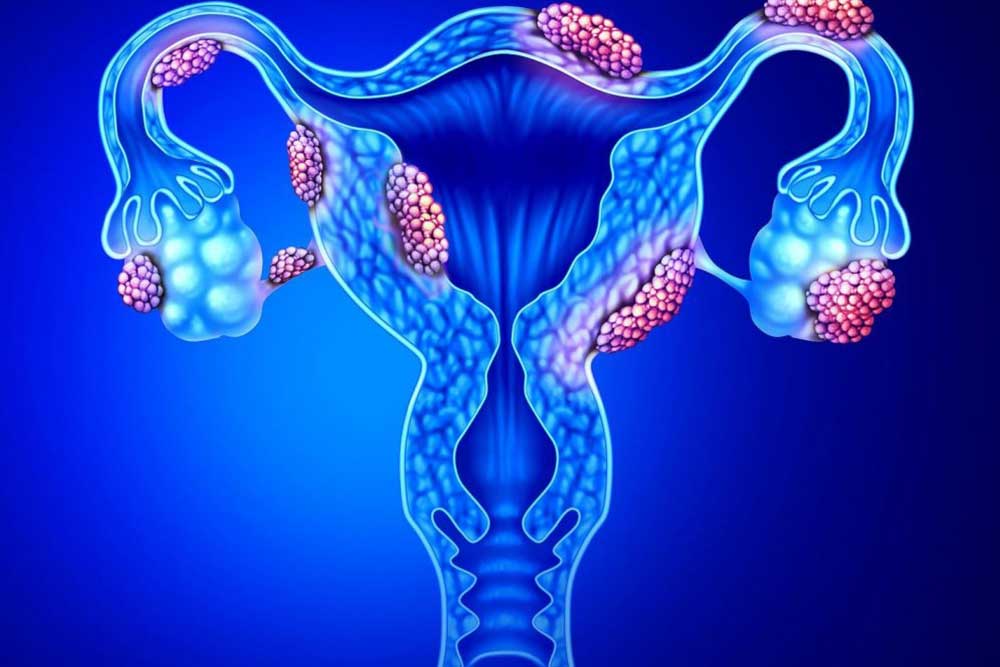
What is a hematosalpinx?
A hematosalpinx is a fallopian tube (oviduct) that is blocked (non-functional) and, moreover, filled with blood. Instead of the tube being open and passable — as it should be in order to transport the egg into the uterus — it becomes swollen and is therefore unable to fulfil this role.
What causes it?
This is where the connection with endometriosis begins. As we know, endometriosis can affect various organs both within and outside the female pelvis, distorting normal anatomy through the adhesions it creates. One of the most common sites of endometriosis is the ovaries, which lie in close anatomical proximity to the fallopian tubes. Endometriosis can affect the fimbrial end of the fallopian tube (the end that opens into fringe-like projections), causing intense inflammation, scar tissue formation, and ultimately obstruction.
The blood that flows back during menstruation cannot drain away and gradually “fills up” the tube. In some cases, endometriosis affecting the adjacent ovary (endometrioma or “chocolate cyst”) may compress the tube from the outside, causing obstruction.
Does it cause symptoms?
Unfortunately, it often causes no symptoms whatsoever! As we have noted in other articles, this is frequently the case with endometriosis — patients can have advanced disease with absolutely no symptoms. When symptoms do occur, they typically include pelvic pain and, in rare cases, fever if the hematosalpinx becomes infected, which can even lead to a tubo-ovarian abscess.
How is it diagnosed?
Diagnosis is made using imaging methods, namely transvaginal ultrasound and/or pelvic MRI. Tubal obstruction is often identified through hysterosalpingography (HSG), performed as part of the investigation of subfertility. As previously mentioned, subfertility is common in endometriosis, even when the fallopian tubes are not directly affected. Definitive confirmation of the diagnosis comes during laparoscopic or robotic surgical intervention.
How is it treated?
In general, a tube that has reached the stage of hematosalpinx is no longer functional and needs to be removed (salpingectomy). In some cases where the tube is deemed salvageable, the surgeon may release the adhesions without removing the tube (salpingostomy). Leaving the tube in place carries risks such as ectopic (tubal) pregnancy and pelvic sepsis. In addition, the fluid within the tube can drain into the uterine cavity, creating unfavourable conditions for fertility and increasing the risk of failed IVF cycles.
When the procedure is performed by a surgeon specialising in endometriosis, it is accompanied by thorough excision of any co-existing endometriotic lesions.
It is also important to remember that in some cases both tubes may be affected simultaneously, resulting in bilateral hematosalpinges. In every case, the details of the surgical approach must be agreed between the patient and surgeon in advance, based on a range of factors: the patient’s age, the predominant symptoms and their severity, and her fertility wishes.
As explained above, the association between endometriosis and hematosalpinx is close. Consequently, a diagnosis — or even a suspicion — of hematosalpinx on imaging should raise the possibility of underlying endometriosis and prompt referral to an endometriosis specialist.
In case you have been diagnosed with hematosalpinx, do not hesitate to contact us and/or book an appointment. In order to manage this condition properly, a timely and correct diagnosis is required!